
What is Biomimicry?
- DefneNil Pekdemir
- Dec 27, 2025
- 2 min read

Updated: 5 days ago
Biomimicry is an approach that studies nature’s solutions—shaped by millions of years of evolution—and applies those ideas to human design, engineering, and technology. The word comes from the Greek terms bios (life) and mimesis (to imitate). However, biomimicry is not about copying nature exactly; it is about understanding how nature works and using the same principles to solve real-world problems.

Nature: The Greatest Engineer
Nature has already developed highly effective strategies for efficiency, durability, sustainability, and adaptation. For example:
The lotus leaf has a special micro-structured surface that repels water and dirt. This inspired the creation of self-cleaning materials and coatings.
Gecko lizards can climb smooth surfaces thanks to tiny nano-scale structures on their feet. This idea has influenced the development of adhesive technologies that do not require glue.
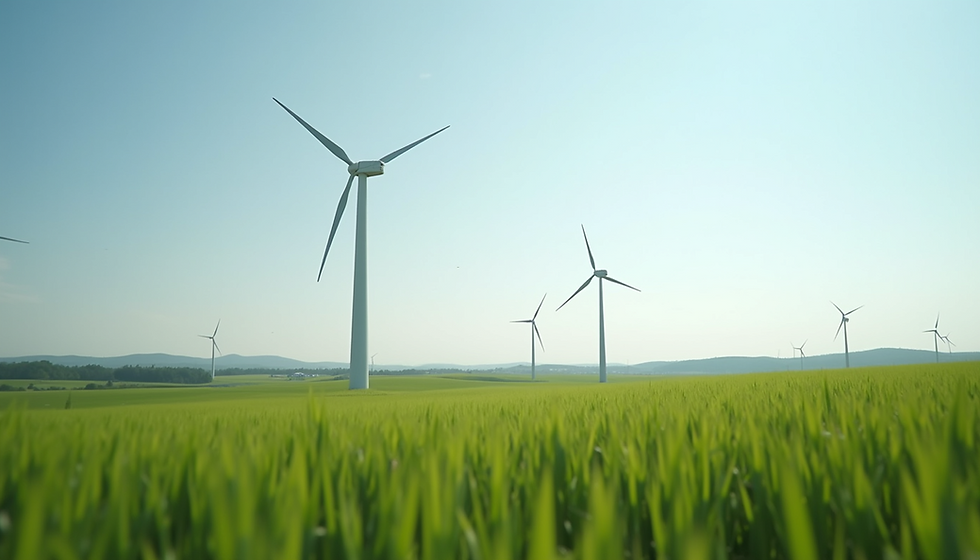
The bumps on humpback whale fins reduce resistance and improve movement in water. Similar designs are now used in wind turbine blades and aircraft wings to increase performance.
Biomimicry in Technology and Engineering
Biomimicry plays a major role in developing smarter and more sustainable technologies. A well-known example is the design of Japan’s high-speed trains. Engineers modeled the train’s nose after the beak of a kingfisher bird, which reduced noise when exiting tunnels and improved energy efficiency.
Biomimicry is not a completely new concept. Leonardo da Vinci studied birds and designed flying machines based on their movements. Today, biomimicry is used across many fields, from architecture and medicine to robotics and artificial intelligence.
Biomimicry and Sustainability
One of the most valuable contributions of biomimicry is its focus on sustainability. In nature, waste does not exist—everything becomes part of another cycle. This idea supports eco-friendly design and circular systems that reduce pollution and energy use. Biomimicry encourages solutions that are efficient, long-lasting, and in harmony with the environment.
Conclusion
Biomimicry helps humans shift from controlling nature to learning from it. By treating nature as a teacher, we can create innovative technologies while protecting the planet. Many of the most powerful solutions of the future will come from observing nature carefully and applying its wisdom to modern challenges.


Comments